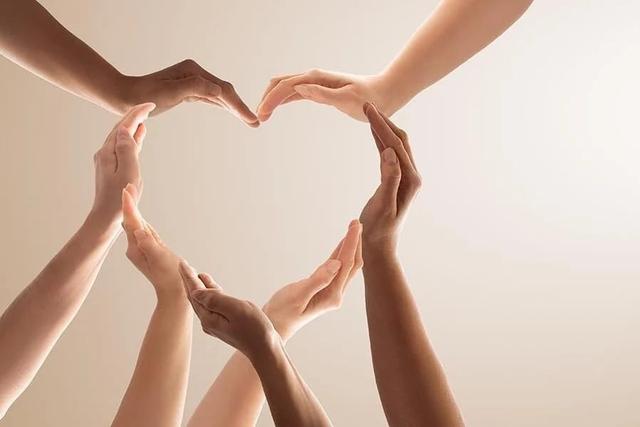
“There is only one caste -- the caste of humanity.
There is only one religion -- the religion of love.
There is only one language -- the language of the heart.”
-- Sathya Sai Baba --
I believe each of us have three caste systems.
One is a caste system in our everyday reality, one is a caste system we dream to exist in and the last caste system that exists in our subconscious mind and reflects our true inner selves.
Reading the fantastic book Caste by Isabel Wilkerson, the conversation can be a political one as well extending into other parts of our artistic world. These days with the spotlight on Asian females, it seems our voices and actions are evermore relevant. Berlin Philharmonic first hired a female member in 1982, Vienna Philharmonic until 1997 would not allow women to audition. First female concertmaster position was won by Albena Danailova in 2008.
Is it not human nature to seek a sense of belonging? In the quest for self identity, we structure our inner world according to our own set of caste systems. Religions, professions, race, gender, political outlook etc. all define us inside and out. Yet given the fluidity of life and continued growth, I firmly believe we must stay engaging with our inner soul to allow incremental changes and subtle shifts of nuanced points of view.
As a young Asian female violist studying in Europe in the 80s meant feeling like a second class citizen on a daily basis. One of the questions I would get from radio stations was “ We all know Chinese musicians have good technique, but how did you learn to be so musical?” The irony here of course is we all know to feel music is to be human. It wasn’t something you “learnt” but it was something you “felt”. If being human means tapping into the sensitivities of our responses to music; then we in fact all possess equal opportunities in engaging in this rewarding act of singing and dancing.
Classical music world is a very conservative microcosm of our society at large. From organizations, programming to education. Things have not evolved at the pace that they could have. Development of digital capacities is the single biggest factor in how we learn, how we communicate, and how we will evolve in the future. Already it has shaped our sense of sound, changed the format of artistic presentation and started to produce a generation of young musicians who are self educating online. The resources are endless, everyone is learning at lightning speed. Yet the internet is a mile long and an inch deep. Out of our healing from the pandemic, we are seeing incredible efforts of artistic collaborations. It is exciting to perceive the lines are starting to blur between the stage, audience participation and everyday life.
Recently as a homework assignment for our son who is a freshman in college, we watched the “Guess who is coming to dinner?” starring Spencer Tracy and Kathrine Hepburn made in 1967. It is a story of a young interracial couple seeking their parents approval at a time this scenario is challenging for most of the society. It is both inspiring to watch a storyline that addressed racism headon as well as shocking and perhaps sad in knowing that more than 50 years later this movie can still challenge us? Ultimately love is the most valuable quality any of us can carry in finding our common ground. It allows the magic of time and the grace of life to heal.
Playing the viola has given me a life I never imagined was possible. It allowed me global friendships, immense appreciation of different cultures and beauty, endless material to learn and discover. Music becomes the true language that transcends. In our daily lives of educating young musicians and performing , the act becomes about sharing the message of love, being of service to our communities while staying creatively alive. When I engage with a young idealistic violist, all I feel is how wonderful it is that we meet because of our shared passion? Then what can I do to serve them better?
It is a privilege.